
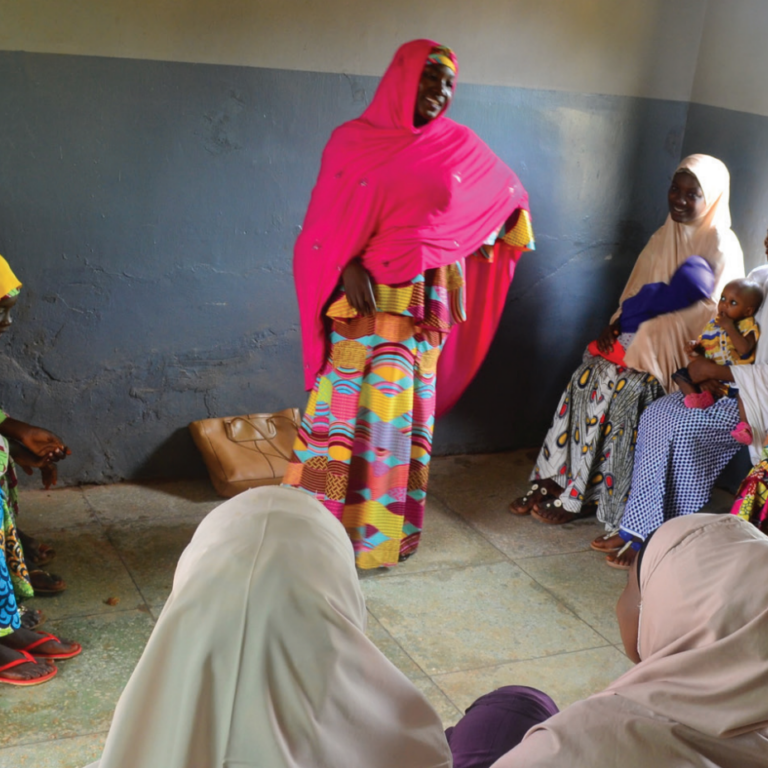
Qualiquant was contracted to conduct an evaluation of the Adolescents 360 (A360) project to assess how system-level strategies have influenced the institutionalisation and sustainability of Adolescent Sexual and Reproductive Health (ASRH) interventions in Nigeria. The study explored the extent to which A360 interventions have been integrated within government health systems and how these changes have shaped service delivery for adolescent girls.
The project adopted a qualitative research design supported by document review and secondary data analysis. A total of 40 Focus Group Discussions (FGDs) and 88 Key Informant Interviews (KIIs) were conducted across the four focal states of Kaduna, Kano, Nasarawa, and Jigawa. Participants included adolescent girls, husbands of married adolescents, community and religious leaders, health facility staff, government officials, and implementing partners.
At the national and state levels, systematic document reviews and KIIs with Ministry of Health officials, SFH partners, and stakeholders were carried out to understand how ASRH policies, financing, workforce, and governance have evolved in response to A360 strategies. At the community and service-delivery levels, FGDs and KIIs were conducted with adolescent girls, caregivers, health providers, and community influencers to capture lived experiences, perceptions, and barriers in accessing ASRH services.
This evaluation provided actionable insights into the effectiveness of the A360 approach in strengthening Nigeria’s health system, highlighting progress, persisting challenges, and lessons for scaling sustainable ASRH interventions across the country.